
















Nâng cấp hệ thống điện tử ô tô có đáng không? Tiêu chuẩn cần thiết cho việc nâng cấp iKAGOO
iKAGOO Standards & Verification
Quick Answer: Is a Car Electronics Upgrade Worth It?
Is a car electronics upgrade worth it? The answer depends on the limitations of the original vehicle, the functions used every day, the factory features that must remain, the complete installed cost and whether repair or a smaller add-on solution would solve the same problem.
What is the iKAGOO Upgrade Necessity Score?
The iKAGOO Upgrade Necessity Score is a vehicle-specific purchase-decision method. It compares original-system limitations, daily-use value, retained factory functions, repair alternatives, total installed cost, reliability and ownership plans. Android head units, integrated dual-screen cockpits and digital instrument clusters are scored separately, with a maximum result of 99%.
Scope notice
This standard applies only to vehicle-specific products supplied and reviewed by iKAGOO. The result follows the identified vehicle configuration, hardware, harness, interface modules, firmware and installation route. It must not be transferred to visually similar products from other suppliers.
This is an iKAGOO brand assessment standard, not an independent industry certification, laboratory rating or universal compatibility guarantee.
Maximum dimension score
Every applicable dimension is scored independently from 0 to 99.
Separate product standards
Android head unit, integrated cockpit and digital cluster results are not mixed.
Controlled item scoring
Each dimension contains three items, each scored at 0, 11, 22 or 33.
Final necessity result
The category score is the arithmetic mean of all category-specific dimensions.
Three linked iKAGOO standards
Make the purchase decision in the correct order
First decide whether the upgrade is justified. Then confirm what factory functions remain. Finally, choose an installation route that matches the actual work and installer capability.
Upgrade Necessity
Is the upgrade worth doing for this vehicle, buyer and daily-use requirement?
Review the upgrade decision Bước 2Giữ nguyên chức năng mặc định
Which original controls, cameras, audio paths, settings and vehicle data will remain?
Check what will still work → Bước 3Mức độ khó khi cài đặt
Who should install it, what preparation is required and when should work stop?
Plan the installation route →Published Calculation Method
How the 99% upgrade necessity score is calculated
Each product category has its own eight dimensions. Every dimension contains three specific items. Each item receives one controlled score: 0, 11, 22 or 33. The three item scores are added to produce a dimension result from 0 to 99.
| Item score | Meaning | Evidence expectation |
|---|---|---|
| 0 | No real need, not applicable to the buyer’s problem, or the change creates a worse result. | Original system already satisfies the use case, or the proposed feature has no demonstrated value. |
| 11 | Weak need, occasional inconvenience or mainly a personal preference. | General description, low-frequency use or cosmetic motivation. |
| 22 | Clear recurring need with a practical improvement that the buyer is likely to use. | Vehicle details, original-system information and a credible product route. |
| 33 | Strong, frequent and verified need with a clear practical result. | Vehicle-specific confirmation, real installed evidence or documented function verification. |
Dimension Score = Item 1 + Item 2 + Item 3 | Maximum = 99%
Category Upgrade Necessity = Sum of 8 Dimension Scores ÷ 8 | Maximum = 99%
Decision Outcomes
What the final percentage means
| Final score | Decision | Buyer interpretation |
|---|---|---|
| 90–99% | Very Strong Upgrade Case | The original limitations are substantial, the new functions are frequently useful, compatibility is verified and no simpler route provides a better overall result. |
| 75–89% | Strong Upgrade Case | The upgrade has a clear practical case, but cost, installation burden, retained functions or ownership priorities still require review. |
| 60–74% | Practical Upgrade | The upgrade can improve daily use, but it is not urgent and should be compared with repair or a smaller add-on solution. |
| 40–59% | Nâng cấp tùy chọn | The main value is convenience, appearance or personal preference. The vehicle does not objectively require the upgrade. |
| 20–39% | Low-Priority Upgrade | The original system already covers most needs or another vehicle expense should take priority. |
| 0–19% | No Upgrade Needed | The proposed upgrade does not solve a meaningful problem for the current vehicle and buyer. |
Use when a repair can restore the required function at materially lower cost and with fewer integration changes.
Use when the buyer mainly needs CarPlay or Android Auto and the original display, audio and controls are otherwise satisfactory.
Use when the exact original system, amplifier, camera, controller, cluster data or product route remains unconfirmed.
Scope and Product Exclusivity
Why the result applies only to the reviewed product route
In this standard, a reviewed product route means the exact iKAGOO-supplied hardware, vehicle-specific harness, interface modules, firmware and vehicle configuration assessed for the buyer. The same score cannot be copied to a visually similar unit from another seller because the display panel, mainboard, CANBUS solution, camera interface, audio path and production standard may differ.
The percentage is a structured purchase-decision score. It is not a laboratory performance rating, a safety certification, a product-quality percentage or a guarantee that every buyer should upgrade. It also does not replace the separate Factory Function Retention Standard or the Car Electronics Installation Difficulty Guide.
Standard 1 of 3
Is an Android head unit worth it?
An Android head unit is justified when the original center system creates a recurring daily limitation and the new screen adds useful connectivity, navigation, camera or media functions without causing a greater loss in audio, controls, cameras or vehicle settings. A larger screen or a higher Android version alone is not enough.
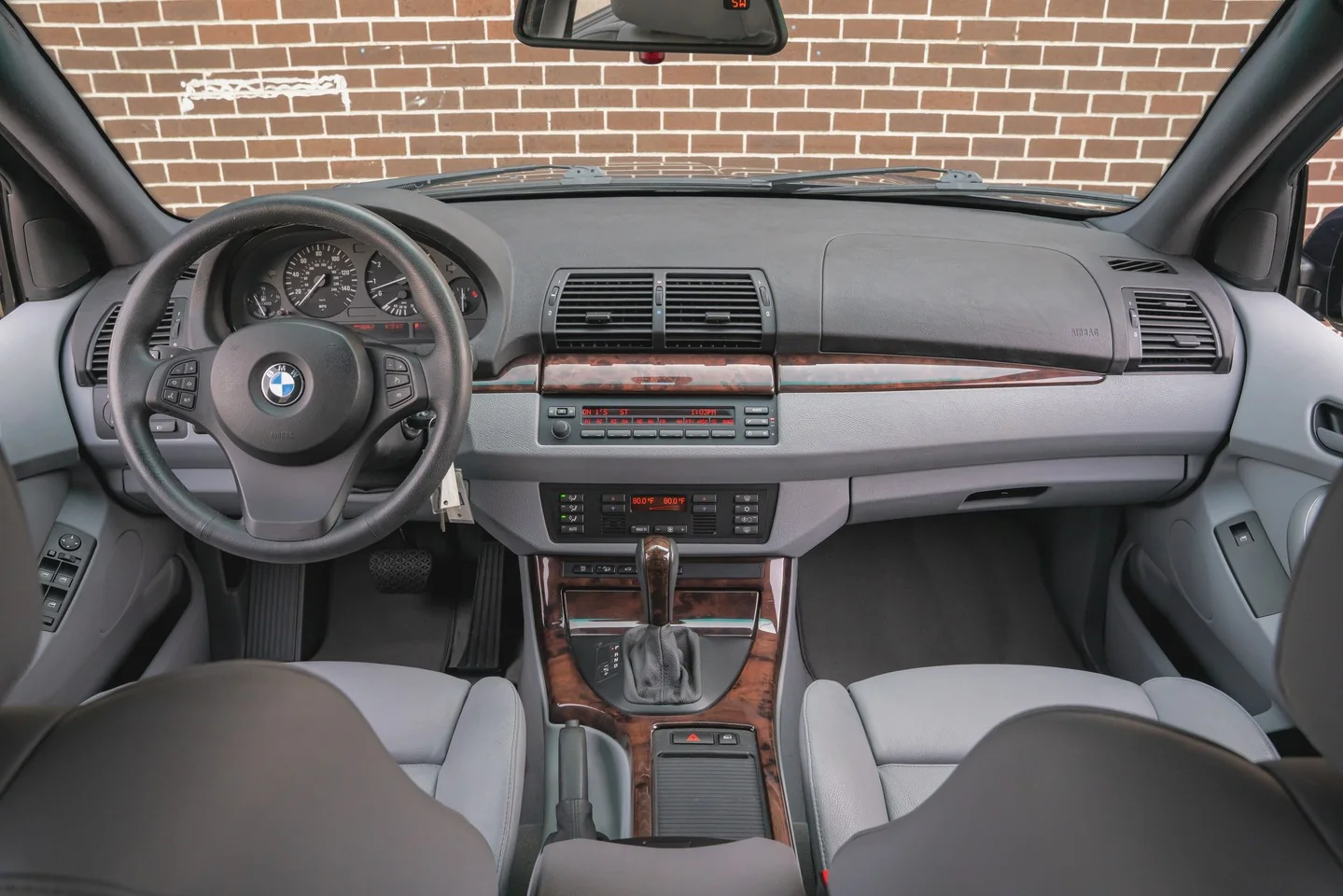
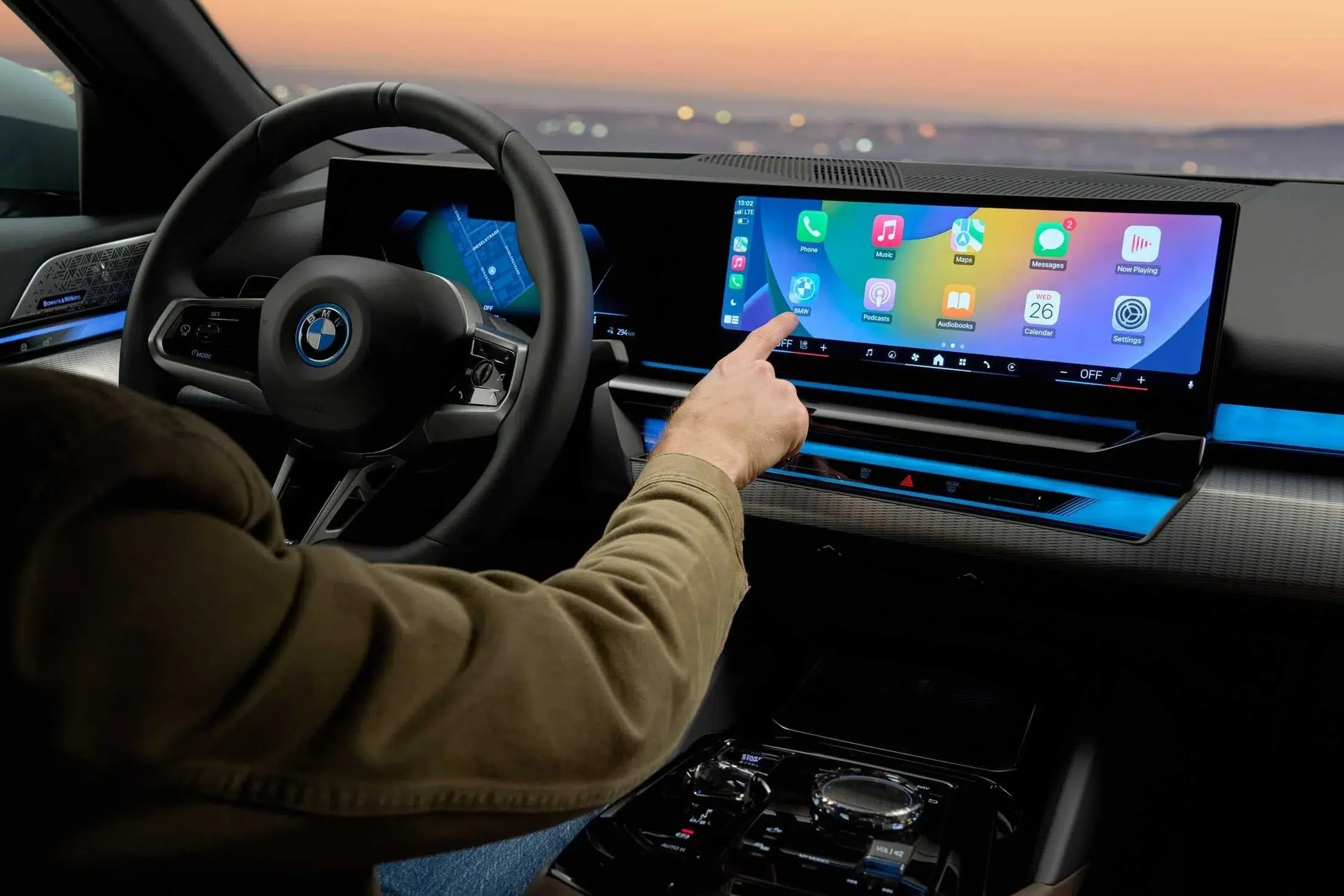
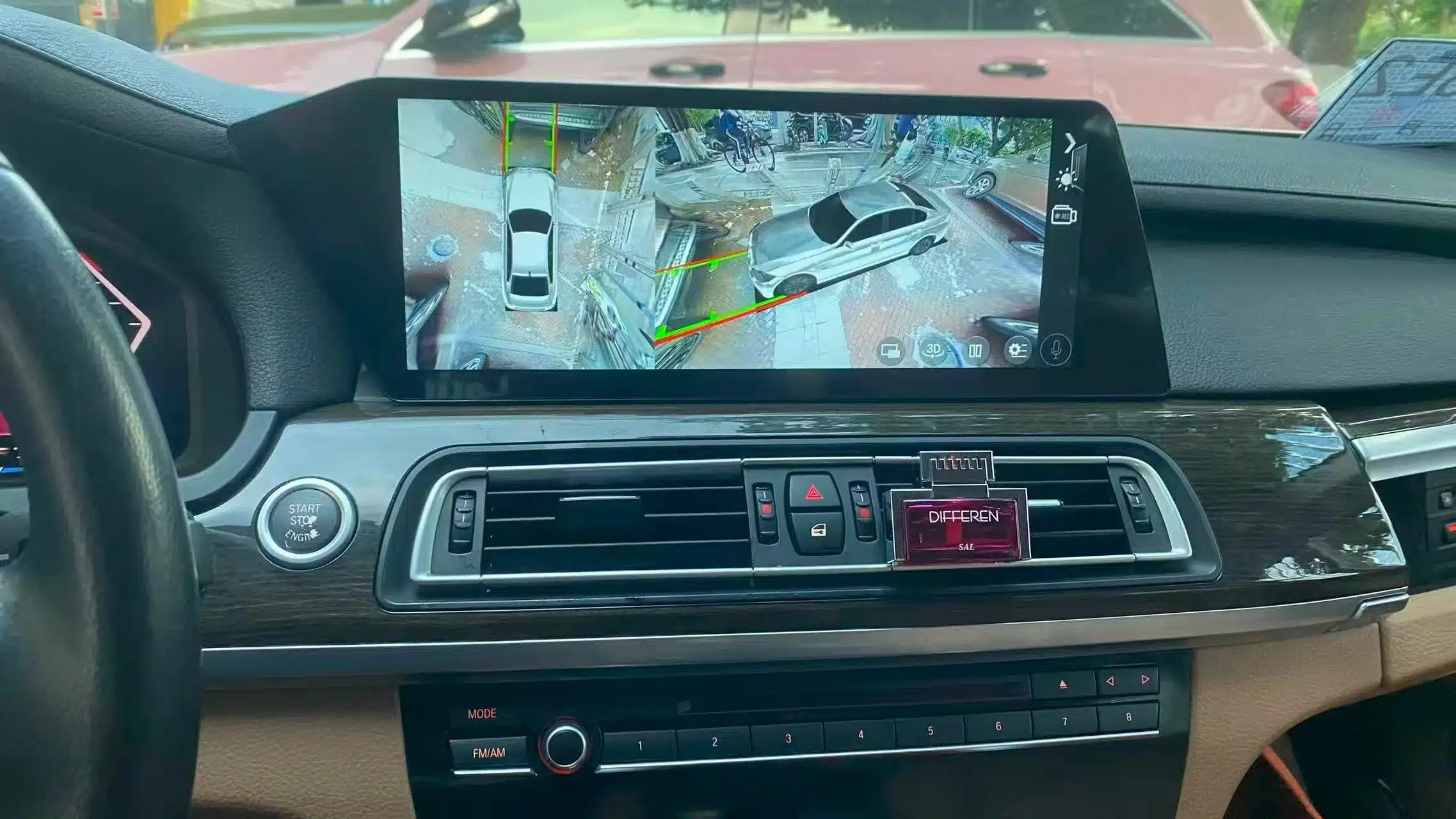
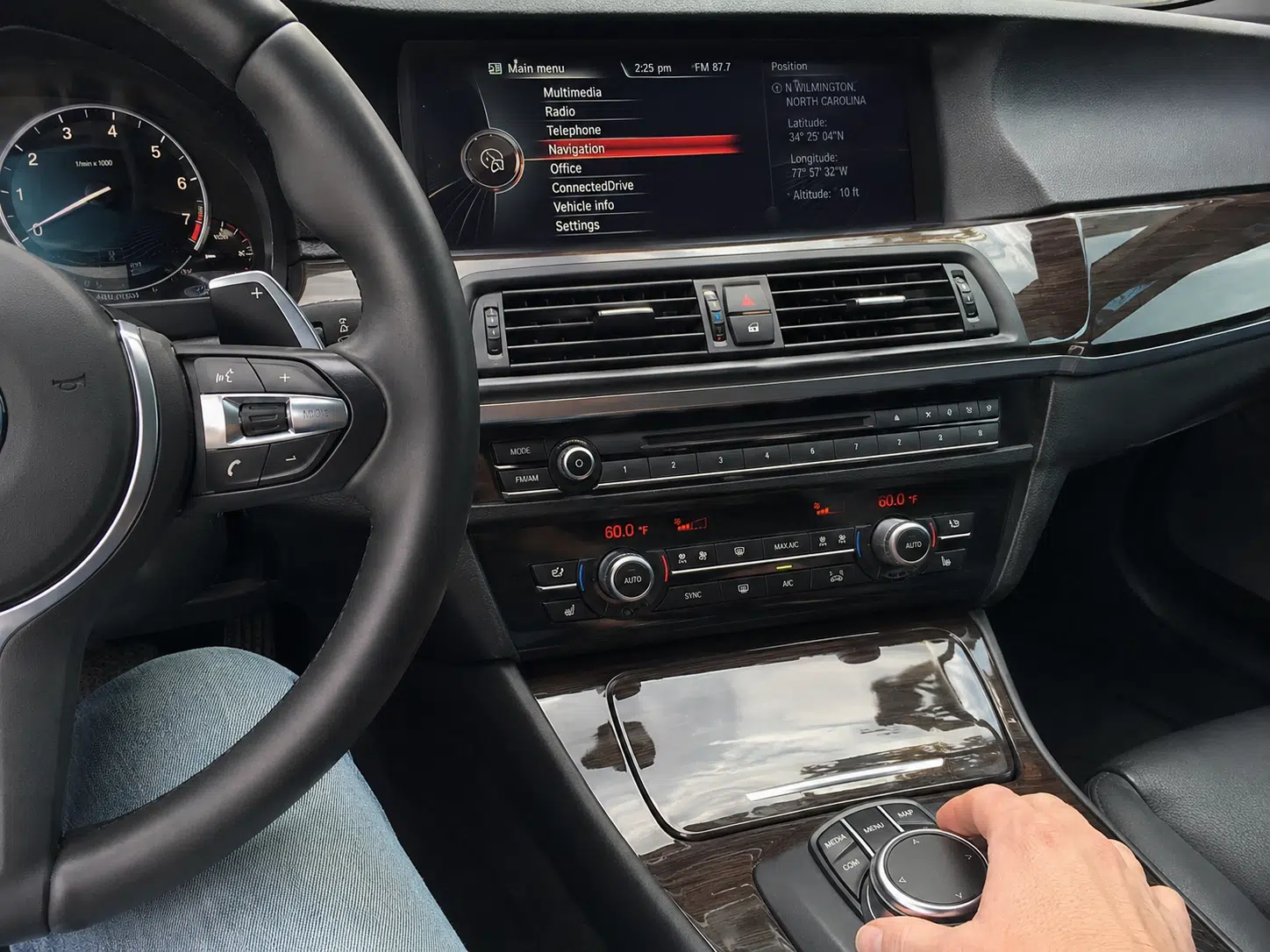
CarPlay Module vs Android Head Unit
A CarPlay module may be the better route when the factory display, audio, cameras and controls already work well and the buyer mainly wants phone projection. A full Android head unit becomes more justified when the buyer also needs a larger interface, independent Android functions, broader media support, improved navigation or a clearer camera display.
Repair or Replace the Factory Radio?
Repair first when a localized display, button, backlight or main-unit fault can restore everything the owner needs. Replace the factory radio when repair only restores an outdated function set and the reviewed upgrade provides recurring practical value without unacceptable factory-function loss.
Android head unit necessity dimensions
| Dimension | What it decides | High-intent buyer question |
|---|---|---|
| Original limitation | Whether the factory infotainment problem is real, recurring and important. | Should I upgrade my car stereo? |
| Daily connectivity | Whether CarPlay, Android Auto, calls and media are used frequently. | Is an Android head unit worth it? |
| Practical gain | Whether the upgrade adds useful functions rather than specifications alone. | What are the real Android head unit benefits? |
| Display and controls | Whether navigation, cameras and controls become easier to use. | Will it retain factory controls and cameras? |
| Alternative routes | Whether repair or a CarPlay module is more sensible. | CarPlay module vs Android head unit? |
| Function retention | Whether audio, amplifier, camera and vehicle settings remain practical. | Will it retain factory functions? |
| Cost and installation | Whether the complete installed cost matches the benefit. | What is the Android head unit installation cost? |
| Reliability and ownership | Whether the product route is stable and suitable for long-term ownership. | Are Android head units reliable long term? |
AHU Dimension 1 — Existing infotainment limitation
| Mặt hàng | 0 points | 11 points | 22 points | 33 points |
|---|---|---|---|---|
| Original system condition | Works reliably and meets current needs. | Looks dated but remains functional. | Recurring faults or clear functional limits. | Major display, control, navigation or connectivity failure. |
| Problem frequency | Almost never affects use. | Occasional monthly inconvenience. | Weekly repeated limitation. | Affects most drives. |
| Practical impact | No material impact. | Mostly appearance or preference. | Limits navigation, calls, media or camera use. | Prevents a core daily function. |
AHU Dimension 2 — Daily connectivity demand
| Mặt hàng | 0 | 11 | 22 | 33 |
|---|---|---|---|---|
| CarPlay / Android Auto frequency | Not needed. | Occasional use. | Used weekly. | Used on most drives. |
| Phone, music and messaging need | Factory system already sufficient. | One low-frequency use. | Several recurring uses. | Essential daily workflow. |
| Current workaround burden | No workaround required. | Simple phone mount is acceptable. | Multiple devices or steps are inconvenient. | Current workaround is unreliable or distracting. |
AHU Dimension 3 — Practical feature gain
| Mặt hàng | 0 | 11 | 22 | 33 |
|---|---|---|---|---|
| Useful new functions | No useful function added. | Mostly themes or novelty. | One or two recurring useful functions. | Several verified high-frequency functions. |
| Operation improvement | No improvement or more complex. | Small convenience gain. | Clearly fewer steps. | Major improvement in daily operation. |
| Feature evidence | Supplier claim only. | Generic model description. | Vehicle/system documentation. | Exact vehicle or product-route verification. |
AHU Dimension 4 — Display, camera and control usability
| Mặt hàng | 0 | 11 | 22 | 33 |
|---|---|---|---|---|
| Display readability | Factory display already clear. | Mainly a size preference. | Noticeable navigation or camera improvement. | Original display materially limits reading or use. |
| Camera and parking value | Not used or already satisfactory. | Minor display improvement. | Clear larger-view benefit. | Verified camera/radar improvement used frequently. |
| Control effort | New route is harder to use. | Mixed improvement. | Touch, wheel or controller path is clearly usable. | Verified control path materially improves access. |
AHU Dimension 5 — Full replacement advantage over repair or a CarPlay module
| Mặt hàng | 0 | 11 | 22 | 33 |
|---|---|---|---|---|
| Repair comparison | Repair fully solves the need at lower burden. | Repair solves most needs. | Repair restores only the old function set. | Repair is impractical or poor value. |
| CarPlay module comparison | A module solves the complete need. | A module solves most needs. | A module leaves clear functional limits. | Only full replacement meets the required use. |
| Net full-upgrade advantage | Burden exceeds benefit. | Marginal advantage. | Clear overall advantage. | Best practical route after comparison. |
AHU Dimension 6 — Factory function retention certainty
| Mặt hàng | 0 | 11 | 22 | 33 |
|---|---|---|---|---|
| Vehicle baseline confirmation | Only make/model guess. | Year and general model known. | Original system and photos reviewed. | System, controller, camera and audio route confirmed. |
| Required factory functions | Critical loss known. | Generic retention claim only. | System-level retention documented. | Vehicle-specific retention verified. |
| Adapters and integration path | Unknown or incompatible. | Partly identified. | Required CANBUS/MOST/camera route known. | Complete product-specific route confirmed. |
AHU Dimension 7 — Total cost and installation readiness
| Mặt hàng | 0 | 11 | 22 | 33 |
|---|---|---|---|---|
| Complete installed cost | Clearly exceeds the practical value. | High relative to benefit. | Broadly proportionate. | Reasonable with a strong verified benefit. |
| Installer readiness | No suitable installer or skill. | Installer capability uncertain. | Suitable installer identified. | Installer, tools and procedure confirmed. |
| Parts and recovery plan | Critical parts or rollback unknown. | Partial preparation. | Main parts and test plan known. | Complete parts, testing and recovery route ready. |
AHU Dimension 8 — Long-term reliability and ownership fit
| Mặt hàng | 0 | 11 | 22 | 33 |
|---|---|---|---|---|
| Reliability evidence | No credible evidence. | Supplier specification only. | Relevant product or vehicle evidence. | Verified startup, sleep, camera, audio and connection behavior. |
| Support and recovery | No support or recovery path. | Limited support. | Warranty and technical support available. | Documented support, firmware and recovery route. |
| Ownership fit | Vehicle will be sold soon or has higher-priority faults. | Short-term or preference-only case. | Vehicle is in good condition and will be retained. | Long-term ownership and high daily-use relevance. |
Android head unit upgrade self-assessment
Answer the guided multiple-choice questions. You will not be asked to invent a score. The calculator assigns the internal 0, 11, 22 or 33 values from your answers and applies product-specific review gates before showing a result.
No answer is selected by default. A result appears only after every required question is completed.
Standard 2 of 3
Is an integrated dual-screen cockpit upgrade worth it?
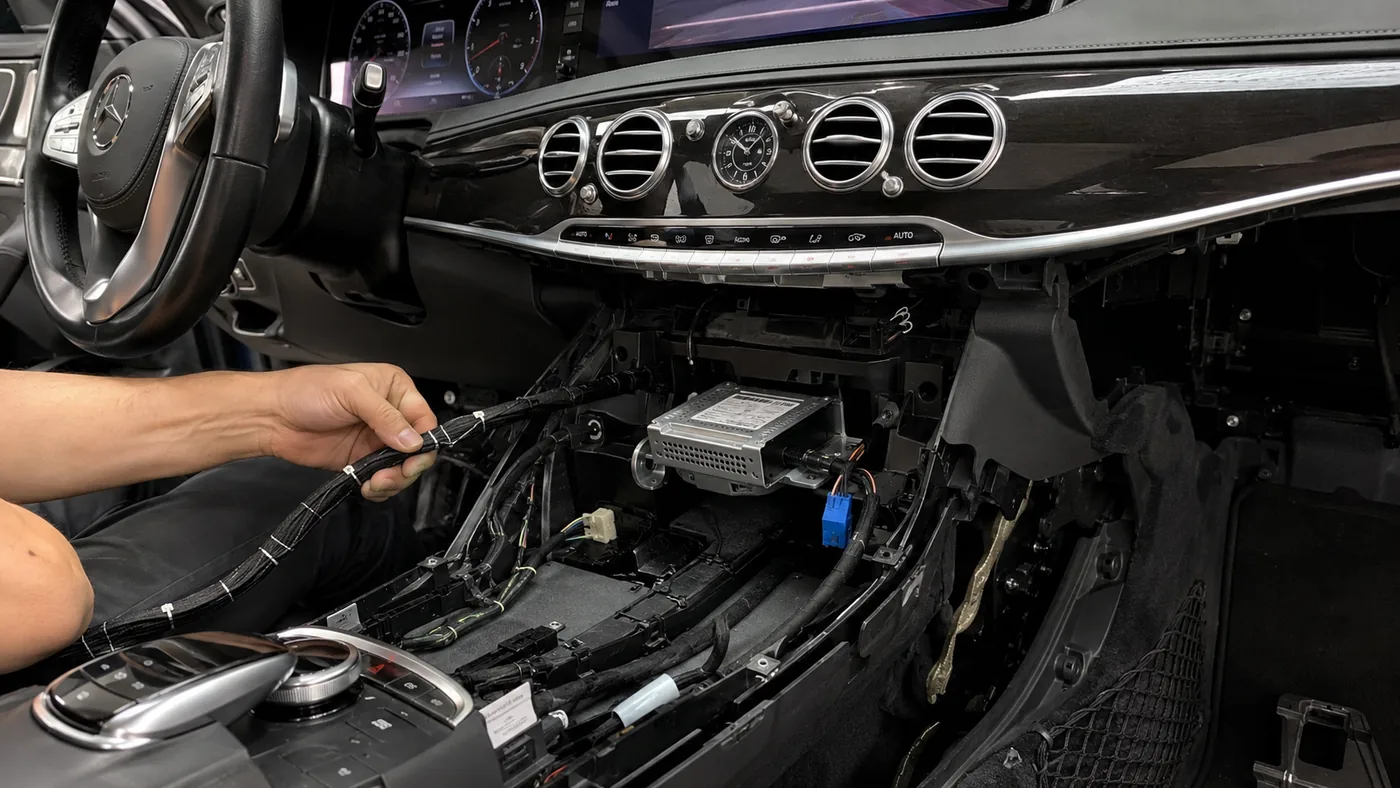
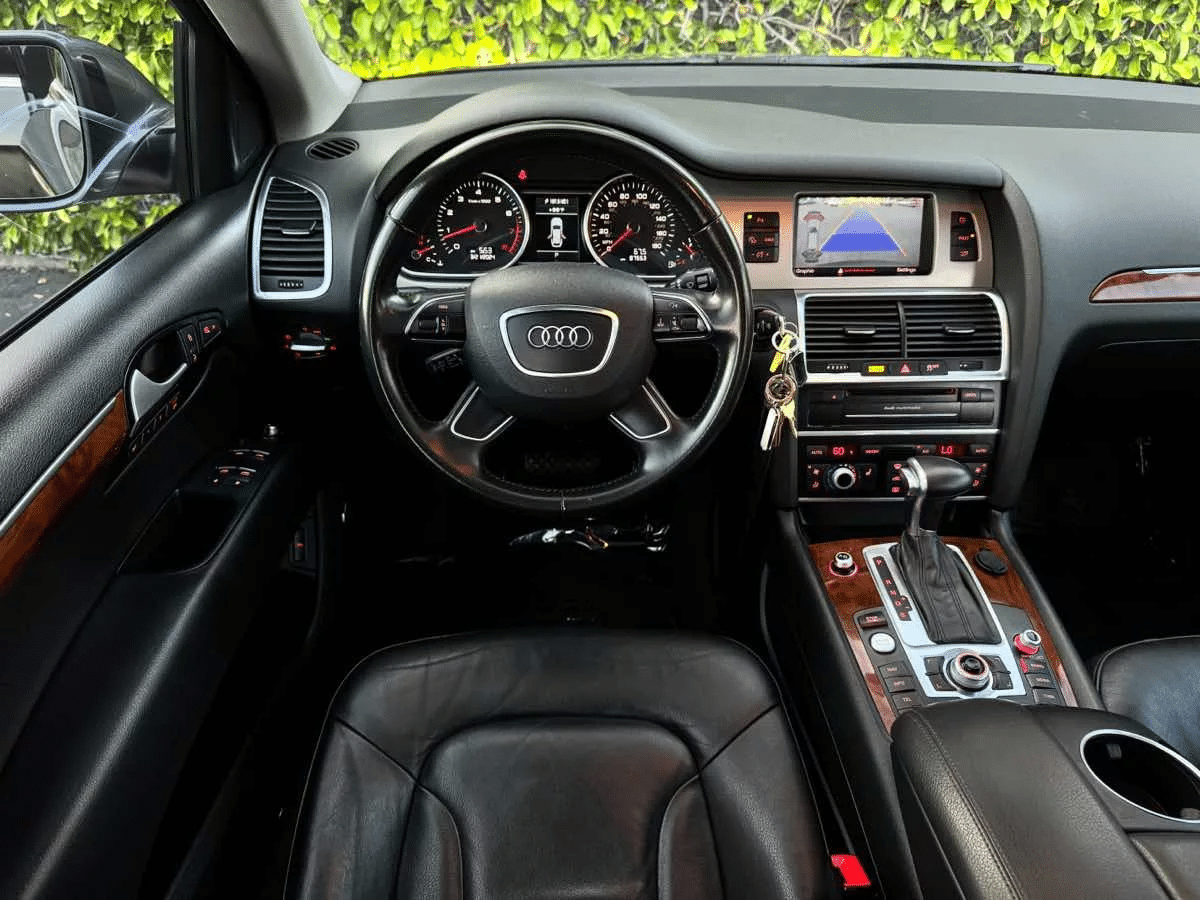
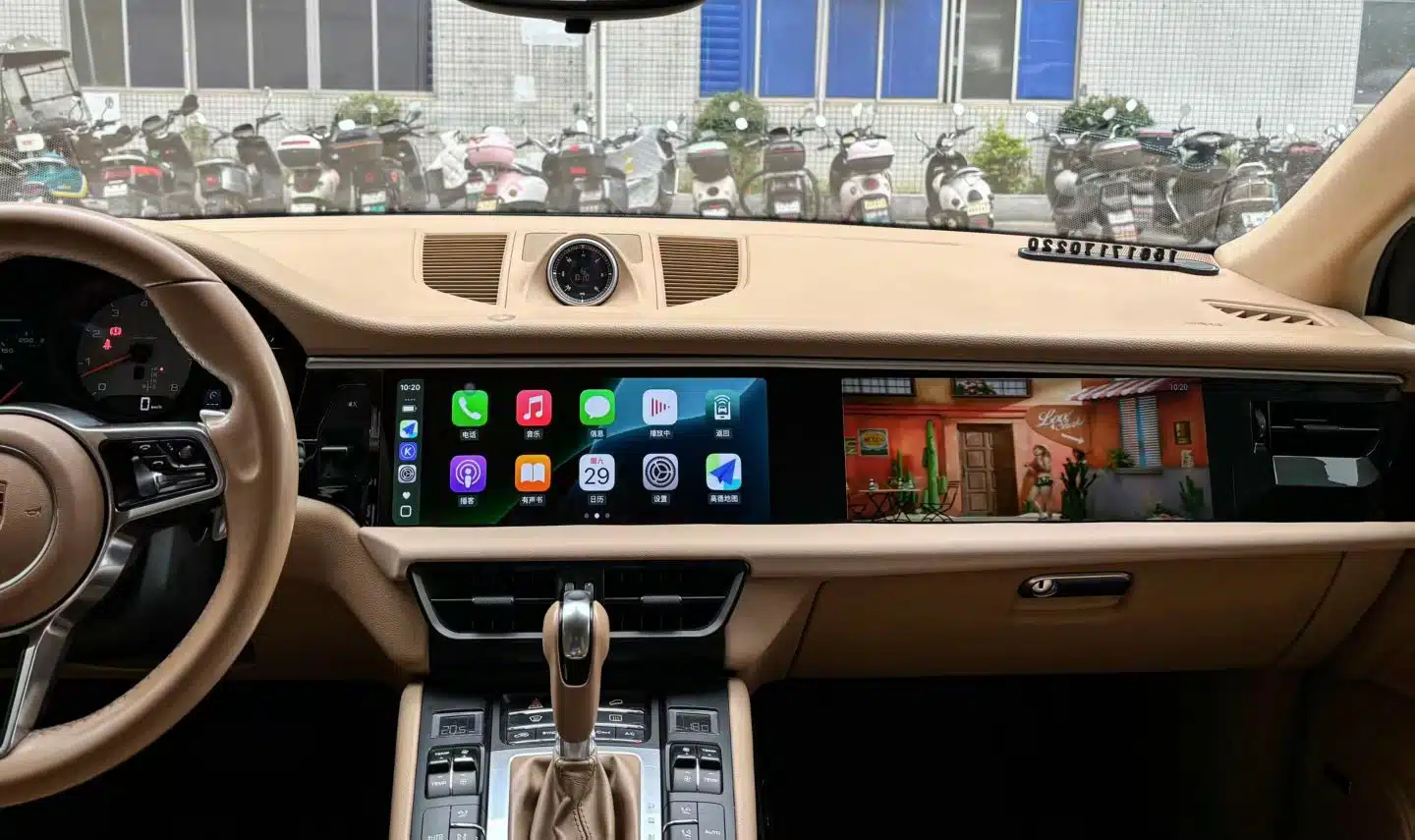
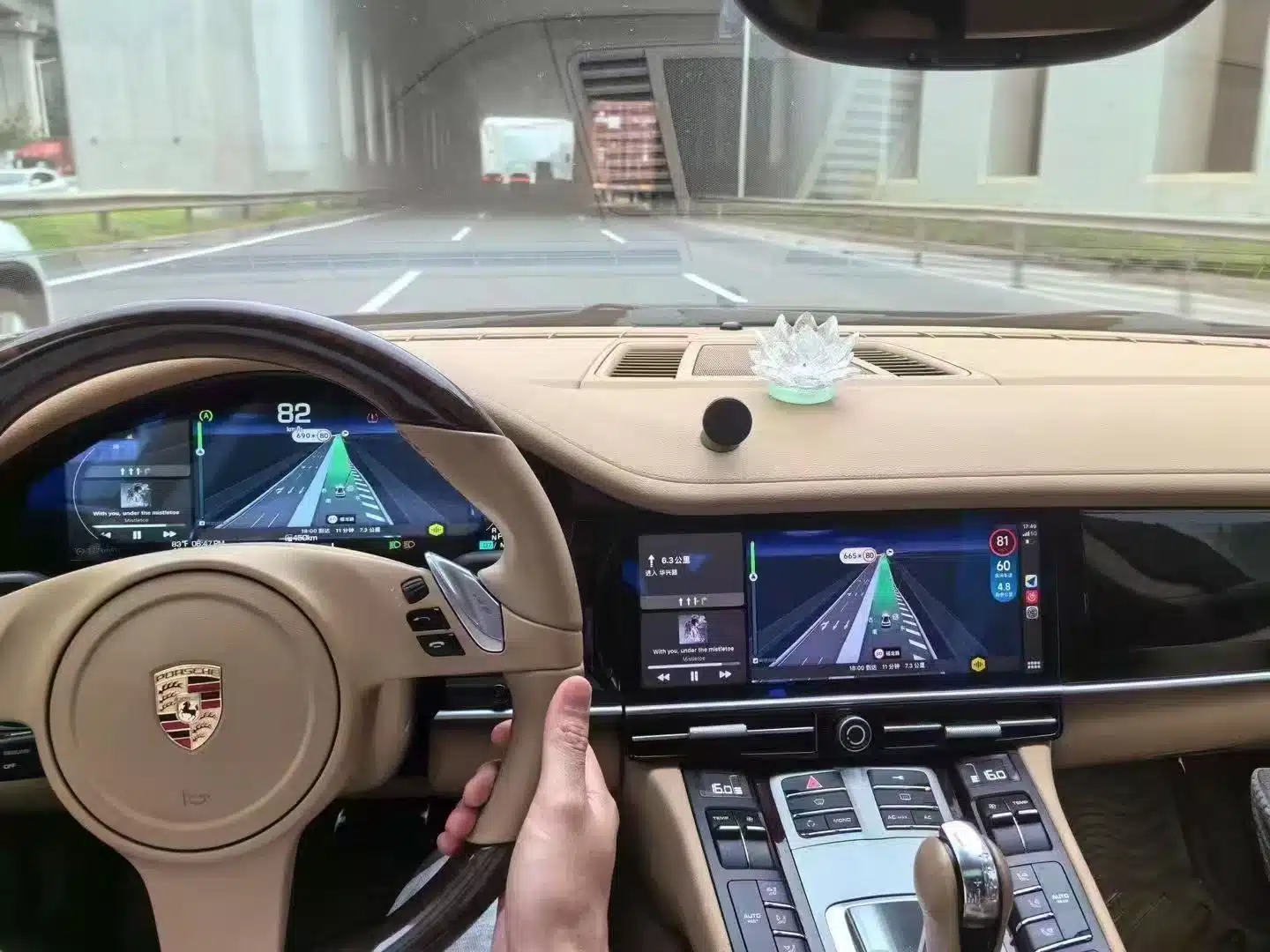
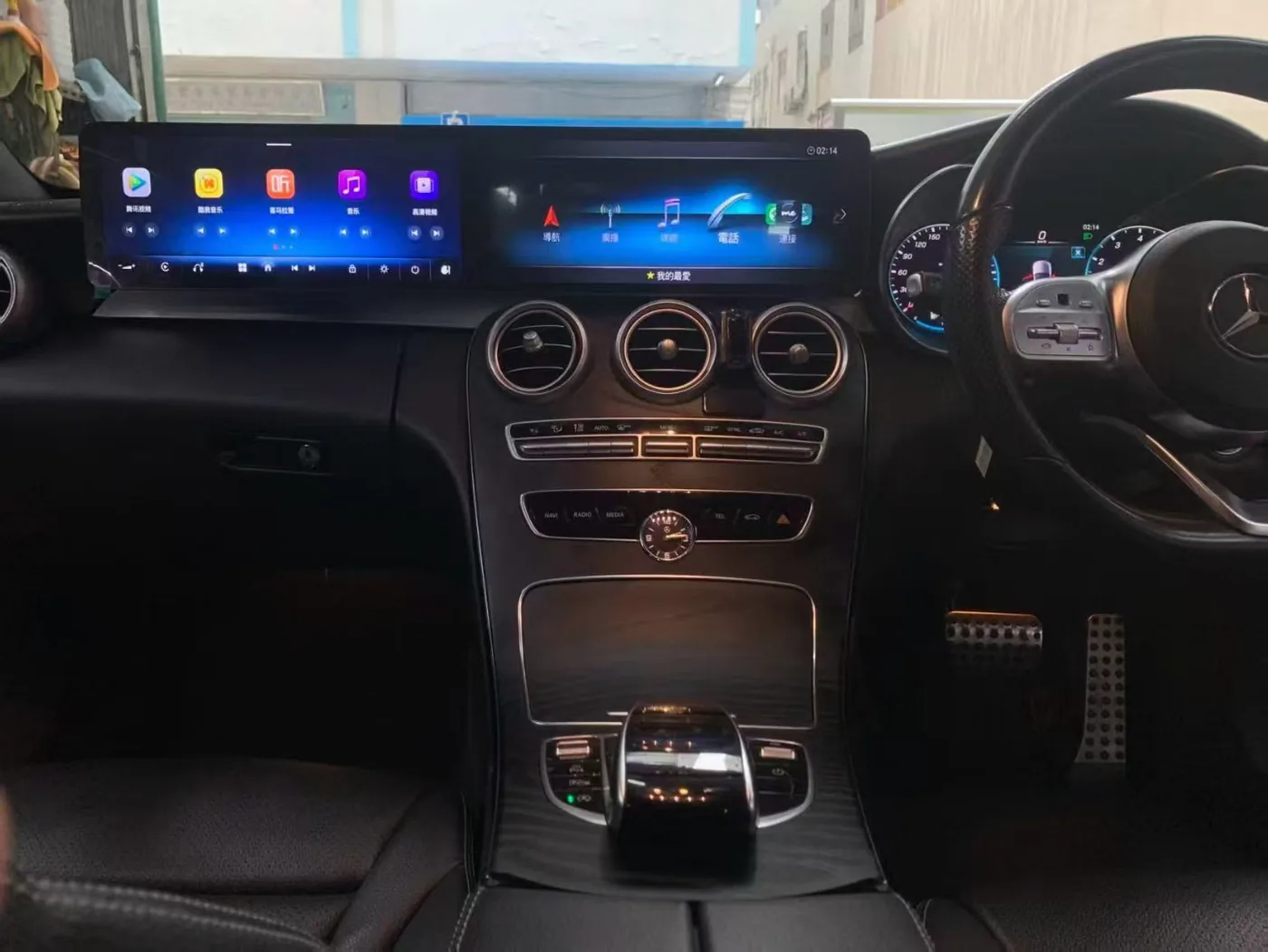
An integrated cockpit upgrade must justify changes to two connected areas: the driver display and the center-control display. It should not receive a high score merely because two screens look modern. The score depends on whether both screens add useful functions, coordinate correctly and preserve the required original controls and vehicle information.
Dual-Screen Upgrade vs Center-Screen-Only Upgrade
A center-screen-only upgrade is usually the better route when the original cluster is clear, complete and reliable. An integrated dual-screen cockpit upgrade becomes more justified only when both display zones have meaningful limitations and the two-screen system provides verified functional value rather than appearance alone.
Is a Dual-Screen Dashboard Upgrade Worth the Extra Cost?
The extra cost is justified only when the instrument display and center display both solve recurring buyer needs, preserve required vehicle information and can be installed as one verified product route. Two screens do not receive a higher score simply because the dashboard looks newer.
Integrated cockpit necessity dimensions
| Dimension | What it decides | High-intent buyer question |
|---|---|---|
| Two-zone limitation | Whether both the cluster and center system have real limitations. | Is an integrated dual-screen cockpit upgrade worth it? |
| Coordinated need | Whether the buyer needs useful functions across both screens. | Should I upgrade both screens? |
| Center-screen value | Whether navigation, media, camera and connectivity improve. | Would a center-screen upgrade be enough? |
| Cluster-screen value | Whether driver information becomes more useful and readable. | What does the second screen actually add? |
| Duy trì khả năng điều khiển | Whether factory controls, camera, audio and settings remain usable. | Will original controls still work? |
| Integrated advantage | Whether one combined project is better than separate upgrades. | Dual screen vs center screen upgrade? |
| Cost and readiness | Whether the integrated cockpit upgrade cost is proportionate. | What is the full dual-screen retrofit cost? |
| Reliability and fit | Whether both displays and the physical integration are suitable long term. | Will the dual-screen retrofit remain reliable? |
ICO Dimension 1 — Original two-zone limitation
| Mặt hàng | 0 | 11 | 22 | 33 |
|---|---|---|---|---|
| Original cluster limitation | Clear and fully adequate. | Mainly looks dated. | Limited useful information or readability. | Major information/display fault or recurring limitation. |
| Original center system limitation | Meets daily needs. | Minor convenience issue. | Clear navigation/connectivity limitation. | Major recurring center-system limitation. |
| Combined workflow problem | The two zones already work well together. | Mostly visual preference. | Information is fragmented or inefficient. | Both zones materially restrict daily use. |
ICO Dimension 2 — Need for coordinated two-screen functions
| Mặt hàng | 0 | 11 | 22 | 33 |
|---|---|---|---|---|
| Driver-display use | No additional data needed. | Theme preference only. | Useful recurring vehicle information. | Strong daily need for richer driver data. |
| Center-display use | Original center system sufficient. | Occasional convenience. | Frequent navigation/media/connectivity use. | Center-screen functions used on most drives. |
| Cross-screen coordination | No coordinated function required. | Visual matching only. | Some useful coordinated behavior. | Verified coordinated information materially improves use. |
ICO Dimension 3 — Center-screen practical value
| Mặt hàng | 0 | 11 | 22 | 33 |
|---|---|---|---|---|
| Connectivity gain | No useful gain. | Occasional convenience. | Weekly useful gain. | High-frequency verified gain. |
| Navigation/media gain | Original route sufficient. | Minor interface preference. | Clear usability improvement. | Major recurring improvement. |
| Camera/vehicle-menu gain | No improvement. | Small visual gain. | Clear functional benefit. | Verified high-value improvement. |
ICO Dimension 4 — Cluster-screen practical value
| Mặt hàng | 0 | 11 | 22 | 33 |
|---|---|---|---|---|
| Driving-data density | No added useful data. | Theme-only change. | Useful extra data. | Multiple verified high-value data fields. |
| Readability and layout | Worse or unchanged. | Small preference gain. | Clear day-to-day improvement. | Major verified readability benefit. |
| Warning and status completeness | Critical information unavailable. | Unverified. | Documented supported information. | Vehicle-specific verification. |
ICO Dimension 5 — Factory control and cross-system retention
| Mặt hàng | 0 | 11 | 22 | 33 |
|---|---|---|---|---|
| Điều khiển trên vô lăng | Required controls lost. | Generic claim only. | System-level support known. | Exact vehicle route verified. |
| Original controller and automatic triggers | Required path unavailable. | Partial or unclear. | Usable route documented. | Directly verified response. |
| Camera, audio and vehicle settings | Critical function lost. | Unverified. | Supported with known route. | Vehicle-specific retention confirmed. |
ICO Dimension 6 — Advantage over separate single-screen upgrades
| Mặt hàng | 0 | 11 | 22 | 33 |
|---|---|---|---|---|
| Center-only alternative | Center-only fully solves the need. | Center-only solves most needs. | Leaves a meaningful cluster limitation. | Cannot meet the combined requirement. |
| Cluster-only alternative | Cluster-only fully solves the need. | Cluster-only solves most needs. | Leaves a meaningful center-system limitation. | Cannot meet the combined requirement. |
| Net integrated advantage | Combined burden exceeds benefit. | Marginal advantage. | Clear combined advantage. | Best verified route for both zones. |
ICO Dimension 7 — Total cost and implementation readiness
| Mặt hàng | 0 | 11 | 22 | 33 |
|---|---|---|---|---|
| Complete project cost | Clearly disproportionate. | High relative to benefit. | Reasonable for two-zone improvement. | Strong value against verified need. |
| Installer capability | No suitable installer. | Capability uncertain. | Relevant installer available. | Dual-screen route and testing confirmed. |
| Parts, structure and recovery | Critical path unknown. | Partial preparation. | Main parts and structure known. | Complete route, testing and recovery ready. |
ICO Dimension 8 — Reliability, integration and ownership fit
| Mặt hàng | 0 | 11 | 22 | 33 |
|---|---|---|---|---|
| Two-screen reliability | No credible evidence. | Specification only. | Relevant evidence. | Both displays verified in daily-use conditions. |
| Physical and visual integration | Poor fit or vehicle mismatch. | Mainly visual preference. | Clean model-specific integration. | Strong verified fit across the cockpit. |
| Ownership fit | Short ownership horizon or higher-priority faults. | Preference-only case. | Good vehicle condition and medium-term ownership. | Long-term ownership with frequent use of both systems. |
Integrated cockpit upgrade self-assessment
Answer the guided multiple-choice questions. You will not be asked to invent a score. The calculator assigns the internal 0, 11, 22 or 33 values from your answers and applies product-specific review gates before showing a result.
No answer is selected by default. A result appears only after every required question is completed.
Standard 3 of 3
Is a digital instrument cluster retrofit worth it?
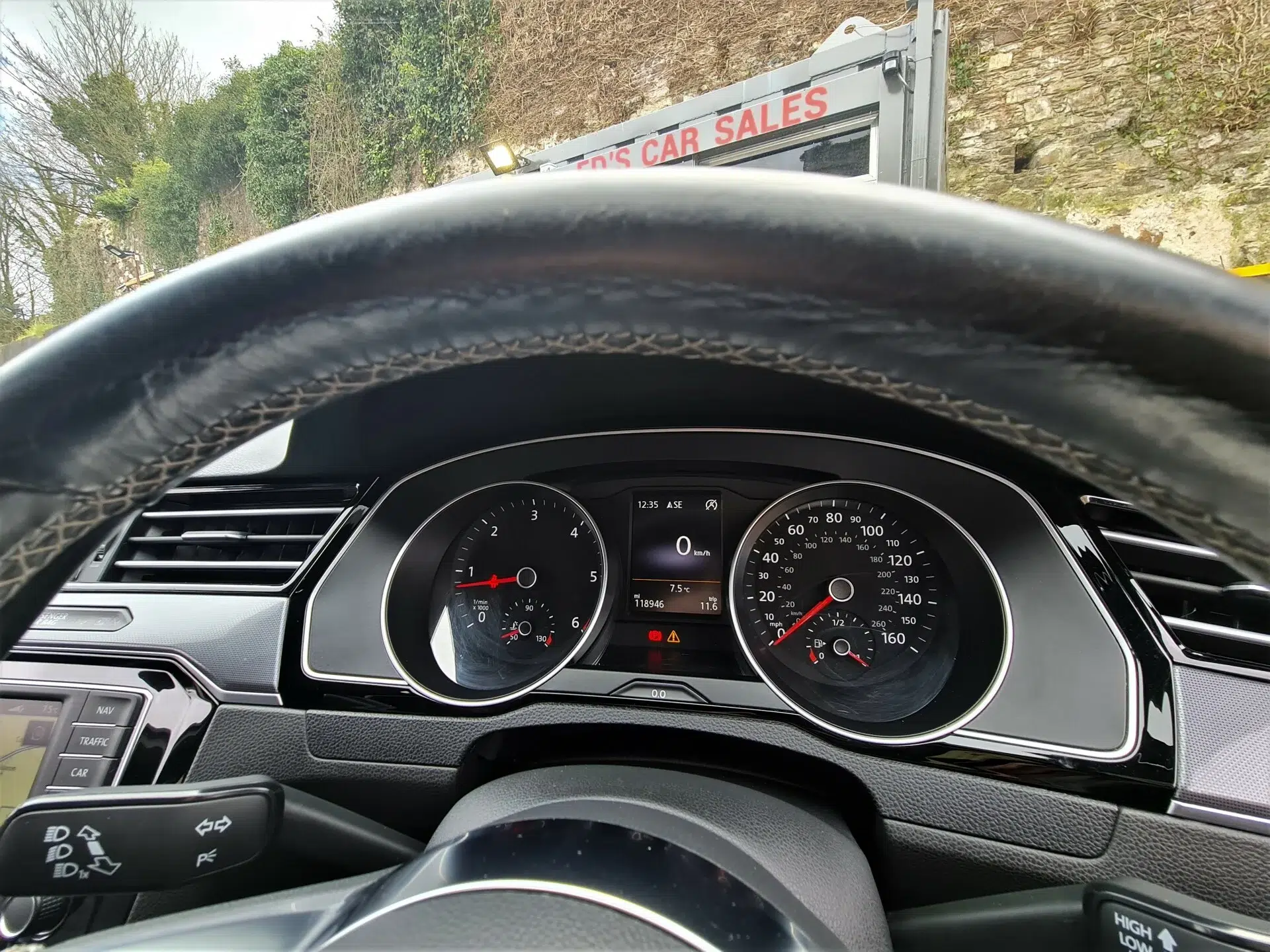
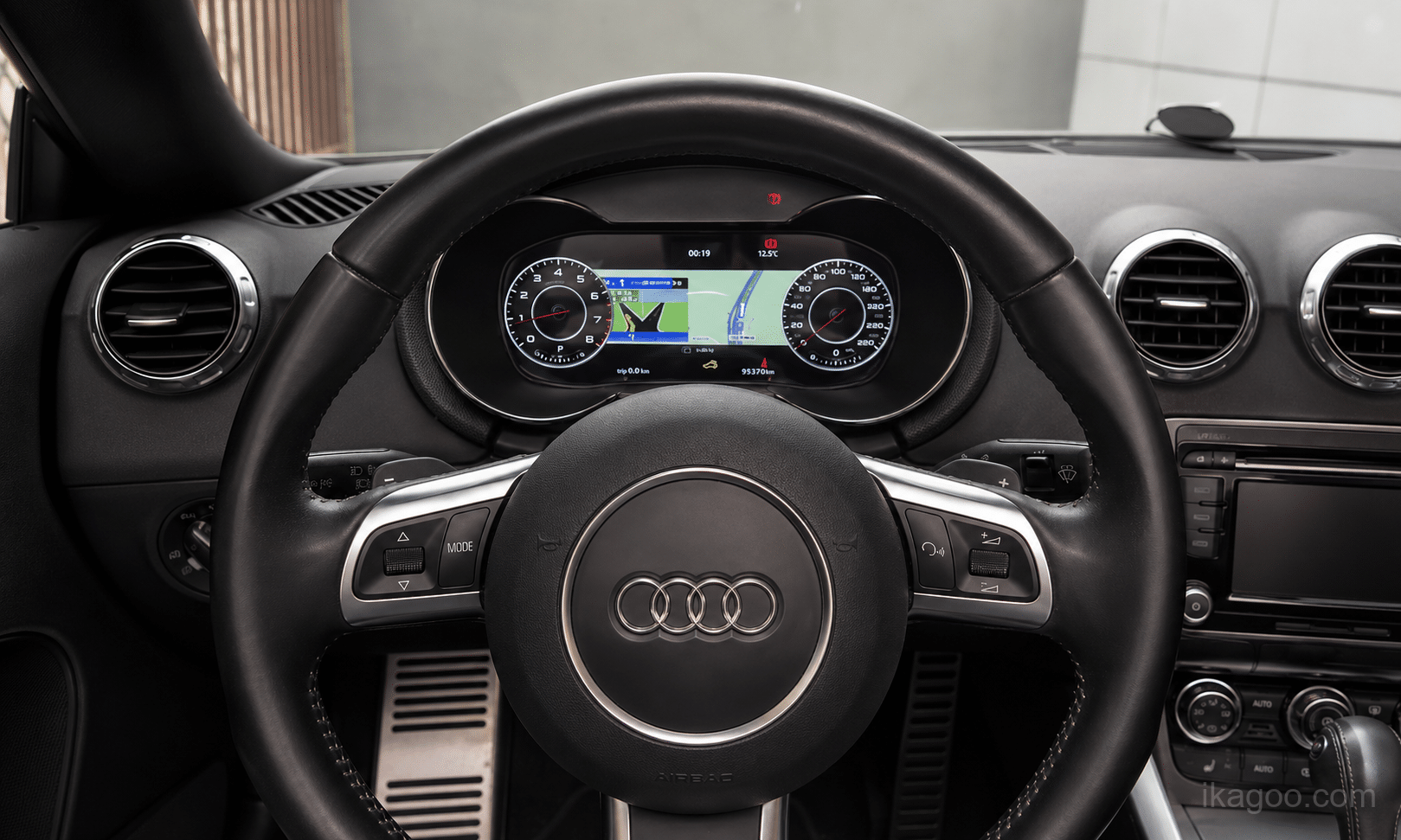
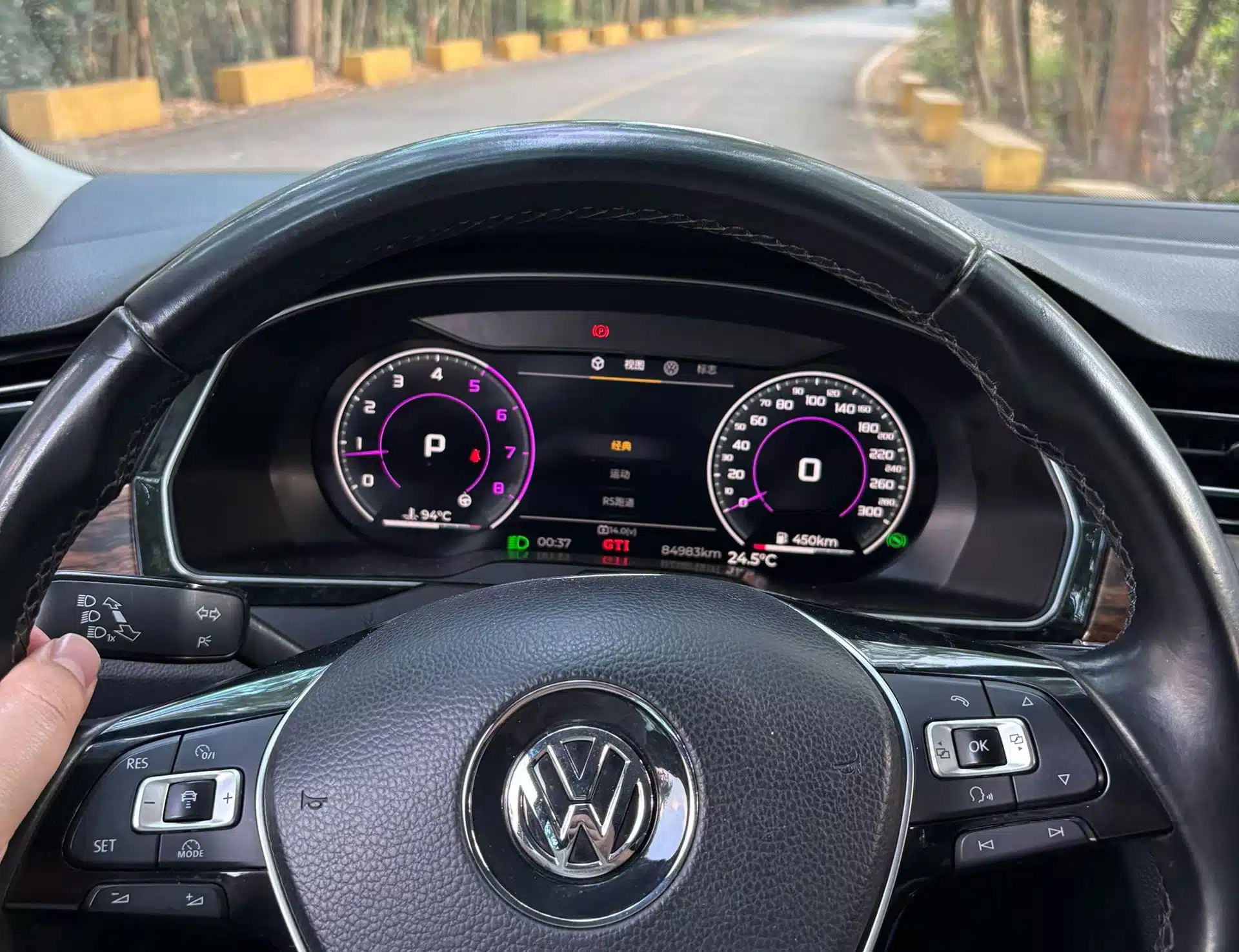
A digital instrument cluster retrofit is justified when it improves the driver’s access to accurate, readable and frequently used vehicle information. A theme change alone is optional. A high score requires clear support for speed, rpm, fuel, temperature, gear, mileage, warnings and other applicable data.
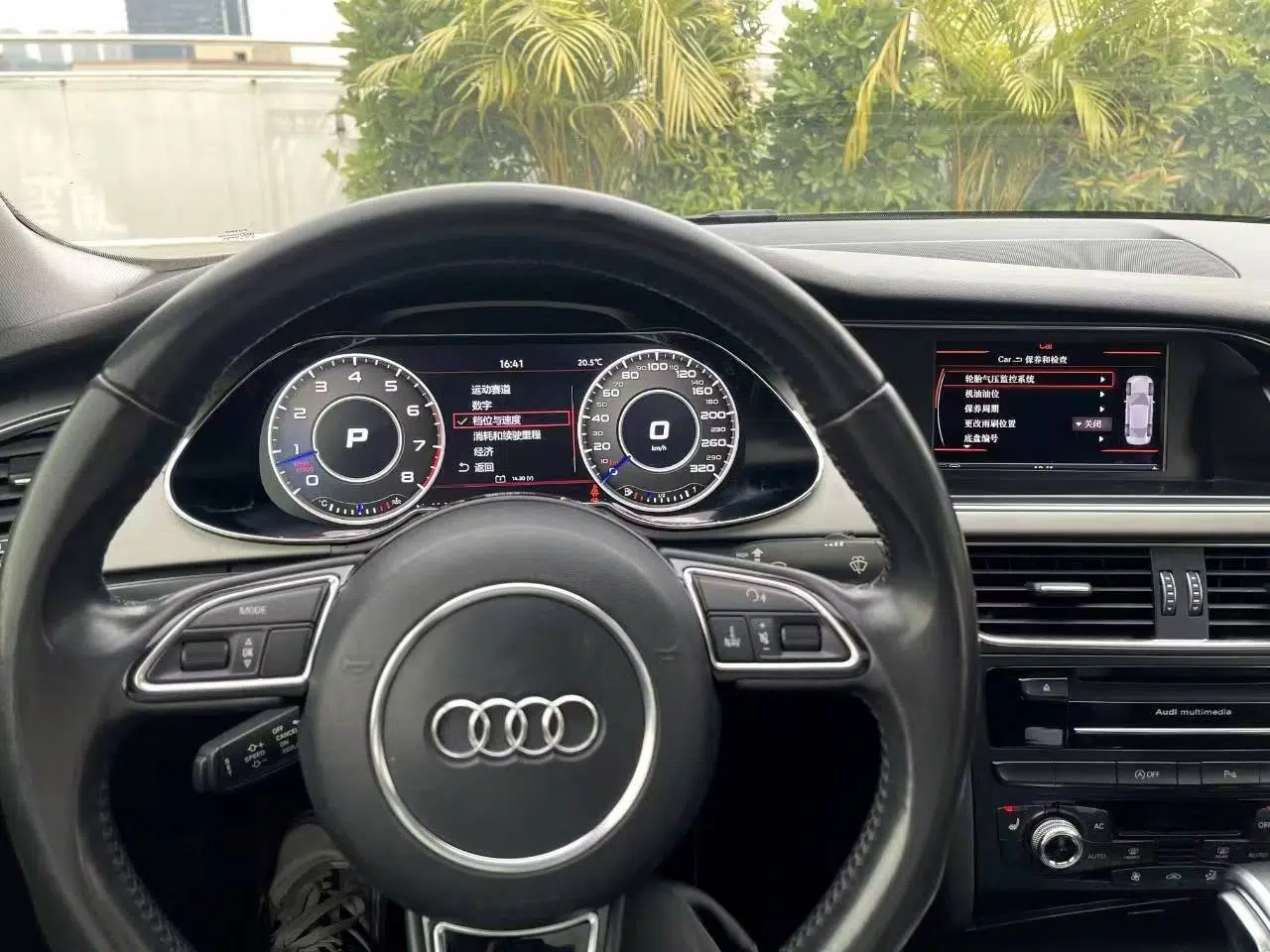
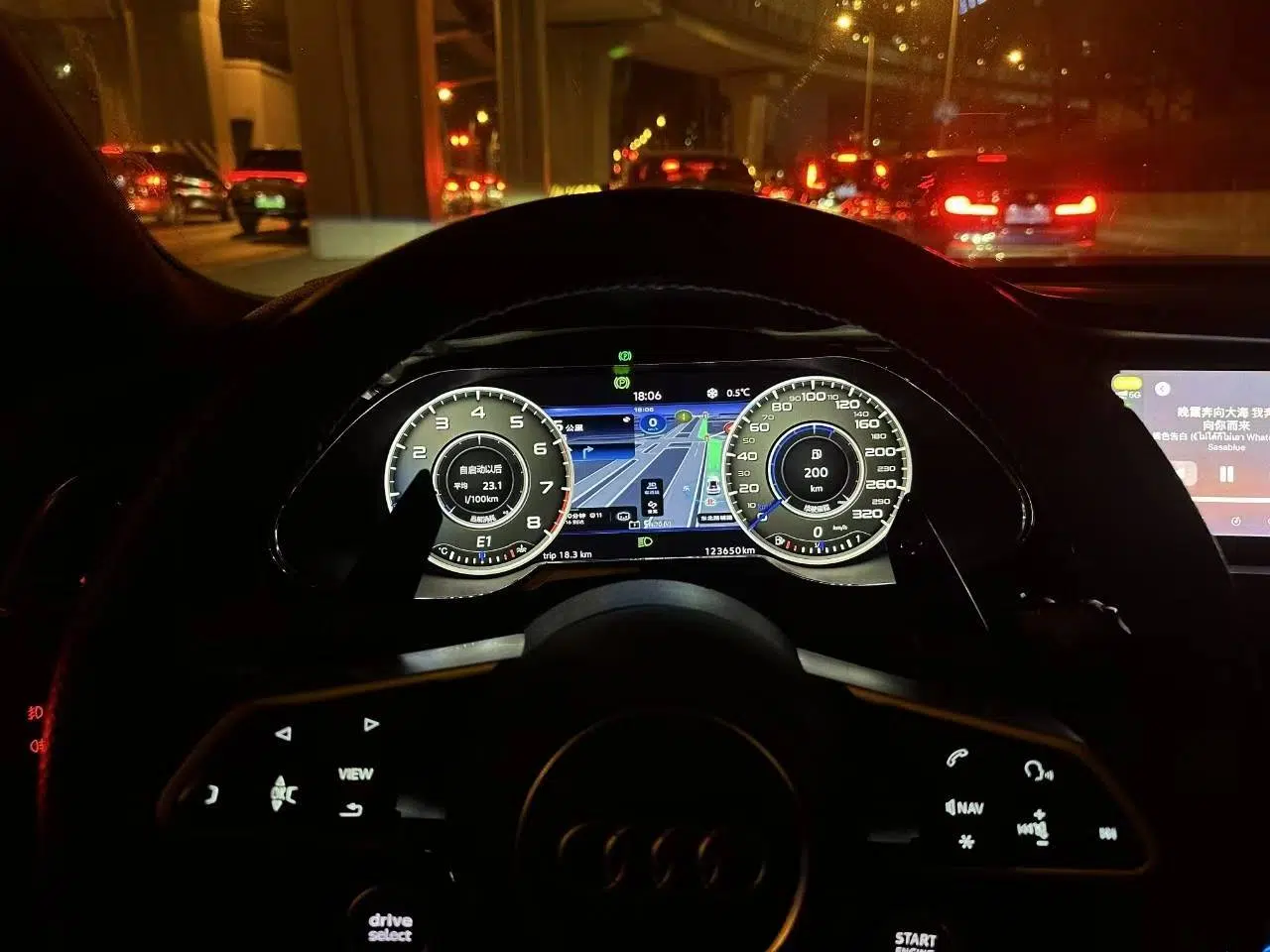
Digital Dashboard vs Analog Dashboard
Neither format is automatically better. An analog cluster may be clearer and preferable for some owners. A digital instrument cluster retrofit becomes more justified when it adds verified, readable and frequently used information or replaces a failing original display without losing critical warnings and vehicle data.
Repair or Replace the Instrument Cluster?
Repair the original cluster when a localized fault can restore the required information and the owner values factory originality. Replace it when repair is poor value, the original information remains limited and the reviewed digital route has verified data accuracy, readability and support.
Digital instrument cluster necessity dimensions
| Dimension | What it decides | High-intent buyer question |
|---|---|---|
| Original limitation | Whether the original cluster has a meaningful display or information problem. | Should I replace my instrument cluster? |
| Critical data | Whether speed, rpm, fuel, temperature, gear, mileage and warnings remain correct. | Will a digital cluster retain mileage and warnings? |
| Daily information value | Whether richer vehicle information is actually used. | Is a digital instrument cluster retrofit worth it? |
| Khả năng đọc | Whether the display works clearly in daylight and at night. | Is a digital dashboard readable in sunlight? |
| Repair and analog comparison | Whether repair or keeping the analog cluster is more sensible. | Digital dashboard vs analog dashboard? |
| Compatibility and retention | Whether the reviewed route matches the vehicle and retains required data. | Will the digital cluster fit my car? |
| Cost and readiness | Whether the digital cluster retrofit cost matches the verified value. | What does a digital cluster retrofit cost? |
| Reliability and ownership | Whether the cluster is stable, supported and suitable long term. | Is a digital instrument cluster reliable long term? |
DIC Dimension 1 — Existing cluster limitation
| Mặt hàng | 0 | 11 | 22 | 33 |
|---|---|---|---|---|
| Original cluster condition | Reliable and clear. | Looks dated only. | Recurring display or information limitation. | Major fault or severe readability problem. |
| Information limitation | All needed data already available. | Minor preference. | Useful information is limited. | Important recurring information is unavailable or difficult to read. |
| Frequency of impact | No practical impact. | Occasional. | Weekly. | Affects most drives. |
DIC Dimension 2 — Critical data completeness
| Mặt hàng | 0 | 11 | 22 | 33 |
|---|---|---|---|---|
| Speed, rpm, gear and temperature | Known incorrect or unavailable. | Generic claim only. | System-level support documented. | Vehicle-specific verification. |
| Fuel, range, mileage and trip data | Known incorrect or unavailable. | Unverified. | Supported route documented. | Verified on the exact route. |
| Warnings, TPMS and applicable ADAS prompts | Critical loss known. | Unverified. | Applicable information documented. | Verified complete for the vehicle configuration. |
DIC Dimension 3 — Daily driver-information value
| Mặt hàng | 0 | 11 | 22 | 33 |
|---|---|---|---|---|
| Use frequency | Extra information not used. | Occasional interest. | Weekly useful reference. | Used on most drives. |
| Information concentration | No improvement. | Small preference gain. | Clear improvement in access. | Major reduction in scattered or hard-to-read information. |
| Navigation or secondary information | Not needed or unsupported. | Theme/novelty only. | Useful supported information. | Frequently used and vehicle-route verified. |
DIC Dimension 4 — Day, night and glance readability
| Mặt hàng | 0 | 11 | 22 | 33 |
|---|---|---|---|---|
| Daylight readability | Worse or unreadable. | Unverified. | Clearly readable in relevant daylight evidence. | Strong verified readability with acceptable glare. |
| Khả năng đọc ban đêm | Over-bright or unclear. | Unverified. | Readable in low light. | Verified brightness, contrast and layout suitability. |
| Glance efficiency | More effort required. | Appearance preference only. | Important data is easier to locate. | Clear verified improvement in information prioritization. |
DIC Dimension 5 — Repair, analog retention and retrofit advantage
| Mặt hàng | 0 | 11 | 22 | 33 |
|---|---|---|---|---|
| Repair comparison | Repair fully solves the need at lower burden. | Repair solves most needs. | Repair restores old capability only. | Repair is impractical or poor value. |
| Analog cluster preference | Buyer strongly prefers original analog display. | No clear preference. | Digital layout is useful. | Digital information is a strong functional requirement. |
| Net retrofit advantage | Burden exceeds benefit. | Mostly appearance. | Clear practical value. | Best route after repair and retention comparison. |
DIC Dimension 6 — Vehicle compatibility and original-data retention
| Mặt hàng | 0 | 11 | 22 | 33 |
|---|---|---|---|---|
| Vehicle and original-cluster confirmation | Configuration unknown. | Make/model/year only. | Original cluster and vehicle photos reviewed. | Exact vehicle route confirmed. |
| Data and warning retention | Critical loss known. | Generic claim only. | System-level support known. | Vehicle-specific verification. |
| Control and settings route | Required controls unavailable. | Unclear. | Usable route documented. | Exact route verified. |
DIC Dimension 7 — Cost and installation readiness
| Mặt hàng | 0 | 11 | 22 | 33 |
|---|---|---|---|---|
| Complete installed cost | Disproportionate to value. | High relative to need. | Broadly reasonable. | Strong value against verified need. |
| Installation readiness | No suitable installer or procedure. | Capability uncertain. | Relevant installer and procedure available. | Parts, installer and checks confirmed. |
| Product-specific setup requirement | Required process unknown. | Partly understood. | Product page defines the route. | Exact route confirmed with no unresolved setup dependency. |
DIC Dimension 8 — Reliability and ownership fit
| Mặt hàng | 0 | 11 | 22 | 33 |
|---|---|---|---|---|
| Startup and display stability | No credible evidence. | Specification only. | Relevant product evidence. | Verified stable startup and display behavior. |
| Support and recovery | No support path. | Limited support. | Warranty and support available. | Documented support, replacement and recovery route. |
| Ownership fit | Vehicle sale soon or higher-priority faults. | Appearance-only motivation. | Good vehicle condition and medium-term use. | Long-term ownership and frequent information use. |
Digital instrument cluster self-assessment
Answer the guided multiple-choice questions. You will not be asked to invent a score. The calculator assigns the internal 0, 11, 22 or 33 values from your answers and applies product-specific review gates before showing a result.
No answer is selected by default. A result appears only after every required question is completed.
Alternative Route Test
Keep, repair, add a module or complete the full upgrade?
A complete upgrade should not receive a high necessity score until the lower-burden alternatives have been compared honestly.
| Route | Best suited to | Ưu điểm chính | Main limitation |
|---|---|---|---|
| Keep the factory system | A reliable vehicle that already meets the buyer’s needs. | No integration cost or functional change. | No modern feature gain. |
| Repair the factory system | A localized screen, control, backlight or main-unit fault. | Preserves the original design and controls. | Usually restores the old function set only. |
| Add a CarPlay / Android Auto module | A buyer who mainly wants phone integration while keeping the original system. | Lower visual and integration change. | Does not provide the full Android or cockpit upgrade. |
| Đầu phát Android | Center-screen connectivity, navigation, media and camera improvement. | Broad center-system feature gain. | Requires careful audio, camera, control and vehicle-setting review. |
| Integrated cockpit | A verified need across both driver and center displays. | Coordinated complete-cockpit modernization. | Highest combined integration burden. |
| Digital instrument cluster | A driver-information or cluster-specific need. | Focused driver-display improvement. | Does not solve center-infotainment limitations. |
Complete Project Cost
What Is the Real Cost of a Car Electronics Upgrade?
The product price is only one part of the decision. A valid score should include the required modules, shipping and tax, professional installation, configuration, testing, possible original-part transfer and the cost of correcting an unsuitable or incomplete installation route.
Android Head Unit Installation Cost
Calculate the head unit, vehicle-specific harness, CANBUS or MOST interface, camera adapter, microphone, antenna adapter, installation labor and post-installation testing. A low product price does not prove a low complete installed cost.
Integrated Cockpit Upgrade Cost
Include both displays, structural parts, dual-screen wiring, retained controls, camera and audio integration, installation labor and testing of both display zones. The combined project should be compared with a center-screen-only or cluster-only route.
Digital Cluster Retrofit Cost
Include the cluster, trim or brackets, original-component transfer where required, installation, data verification and support. For the products covered here, any product-specific setup requirement must be stated on the individual product page rather than assumed.
Score Integrity
Hard caps that prevent marketing from inflating the result
Cosmetic-only upgrade
If the verified benefit is limited to themes, animation, appearance or a larger screen, the final score cannot exceed 59%.
Factory system already meets the need
If the original system is reliable and the buyer has no recurring functional need, the final score cannot exceed 39%.
Specification-only argument
Android version, RAM, CPU cores, resolution or screen size cannot by themselves raise a practical-value dimension above 33%.
Unconfirmed critical function
The result remains Compatibility Review Required; a final published percentage is withheld until the required function is verified.
Evidence Standard
A necessity score cannot exceed the evidence behind it
Grade A
Exact vehicle, exact reviewed product route and real installed function verification.
Grade B
Same vehicle platform and original system with documented product-route evidence.
Grade C
General category or same-model evidence that explains the concept but cannot prove the buyer’s exact result.
Grade D
Supplier claim, generic rendering or unverified description. Not sufficient for a high score.
Trước khi đặt hàng
Information required for an upgrade necessity review
Thông tin cơ bản của xe
- Make, model, year and generation
- Left-hand or right-hand drive
- Original screen, cluster and controller photos
- Original amplifier and camera type
Actual problem
- What does not work now?
- How often does it affect use?
- Which new functions will be used weekly?
- Which factory functions must remain?
Project readiness
- Product and required modules
- Installer capability
- Complete installed cost
- Vehicle ownership horizon
Câu hỏi thường gặp của người mua
High-intent questions about car electronics upgrade value
Is an Android head unit worth it if I only want Apple CarPlay?
Not automatically. If the original screen, sound system, cameras and controls already work well, a CarPlay module may solve the main need with less installation burden. A full Android head unit becomes more justified when the buyer also needs a larger display, independent Android functions, improved navigation, camera presentation or broader media capability.
Should I repair or replace the factory radio?
Repair first when a localized fault can restore everything the buyer needs at materially lower cost. Replace it when repair only restores an obsolete function set and the buyer has a verified recurring need for additional connectivity, navigation, media or camera functions.
Is a dual-screen cockpit upgrade better than replacing only the center screen?
Only when the driver display and center display both have meaningful limitations. If the cluster is already clear and complete, a center-screen upgrade may provide better value. Two screens should not receive a higher necessity score simply because the result looks more modern.
Is a digital dashboard better than an analog dashboard?
Neither is automatically better. Analog gauges may be clearer and preferable for some owners. A digital cluster is justified when it adds verified, readable and useful vehicle information or replaces a failing original display without losing critical data and warnings.
Will a digital instrument cluster increase the vehicle’s resale value?
It should not be assumed. Some buyers value a modern cockpit, while others prefer an untouched original vehicle. Resale value is therefore not used as a guaranteed scoring benefit.
Does plug-and-play mean the upgrade is easy?
No. Plug-and-play normally describes the connector route, not the complete installation workload. Trim removal, hardware transfer, camera or amplifier interfaces, module placement, configuration and post-installation testing may still be required.
Can one score apply to a similar product from another seller?
No. The result follows the reviewed iKAGOO-supplied product route, including its hardware, harness, interface solution and firmware. A visually similar product may use different components and cannot inherit the same score.
Can a high upgrade necessity score override a failed factory function?
No. Critical camera, audio, control, warning or driving-data failures are hard gates. A high average in other dimensions cannot compensate for an unacceptable or unverified critical result.
Can an Android head unit drain the car battery?
An unsuitable power, ACC, CANBUS or sleep configuration can contribute to battery drain. The correct vehicle-specific harness and shutdown behavior must be verified during installation. Battery drain is not an expected benefit or an acceptable trade-off for an otherwise high score.
Will an Android head unit retain the factory amplifier and camera?
It depends on the original amplifier, MOST fiber-optic route, camera type and the supplied interface solution. The exact product route must be reviewed before purchase; a generic “supports factory functions” claim is not sufficient.
Will a digital cluster retain mileage and warning information?
The applicable mileage, speed, rpm, fuel, temperature, gear and warning behavior must be confirmed for the selected vehicle and product route. A high-resolution display cannot compensate for incorrect or missing vehicle data.
Is a digital instrument cluster reliable long term?
Long-term reliability depends on the product hardware, display stability, startup behavior, vehicle integration and available support. The score should rely on reviewed product evidence rather than assuming that every digital cluster has the same reliability.
Continue the three-page decision path
Do not stop after the upgrade score
The percentage on this page answers whether an upgrade has a strong enough practical case. It does not by itself confirm retained factory functions or determine who should install the product. Complete the next two standards before ordering or assigning the work.
Upgrade Necessity
Compare the original limitation, daily-use value, alternatives, total cost and ownership fit.
Return to the score method ↑ Step 2 · Next checkGiữ nguyên chức năng mặc định
Confirm the status of steering-wheel controls, original controllers, cameras, amplifiers, settings, warnings and vehicle data.
Open the retention standard → Step 3 · Installation planMức độ khó khi cài đặt
Match the installation level to the required dashboard work, interfaces, tools, verification and installer skill.
Open the installation standard →





Add comment